Peptides vs Proteins: Key Differences, Functions, and Uses Explained
Peptides and proteins are built from the same building blocks, amino acids, yet they behave very differently inside the body. The debate around peptides vs proteins comes up often in nutrition, fitness, skincare, and medicine, and the two terms are often confused. This guide explains what each one is, how they differ in size and structure, what they do, and when each one matters for your health.
What Are Peptides?
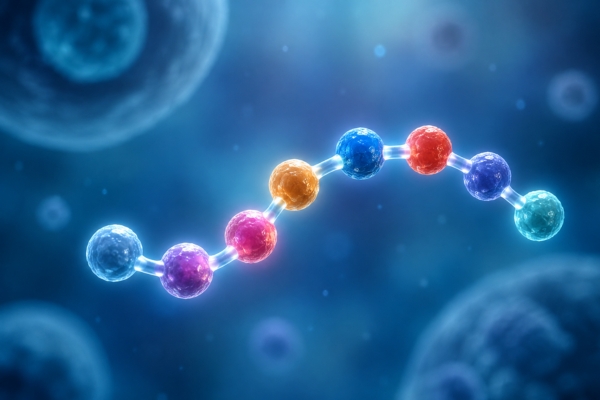
A peptide is a short chain of amino acids joined together by peptide bonds. Most scientists define a peptide as a chain of 2 to 50 amino acids. Chains under 10 amino acids are called oligopeptides; longer ones are polypeptides.
Because they are small, peptides usually have a simple shape. They do not fold into complex three dimensional structures the way larger molecules do. This small size lets them travel easily through the bloodstream and between cells, which is why so many peptides act as chemical messengers.
Well known peptides in the human body include:
- Oxytocin, a nine amino acid hormone involved in childbirth and bonding
- Glutathione, a three amino acid antioxidant found in nearly every cell
- GLP-1, a gut hormone that regulates blood sugar and appetite
What Are Proteins?
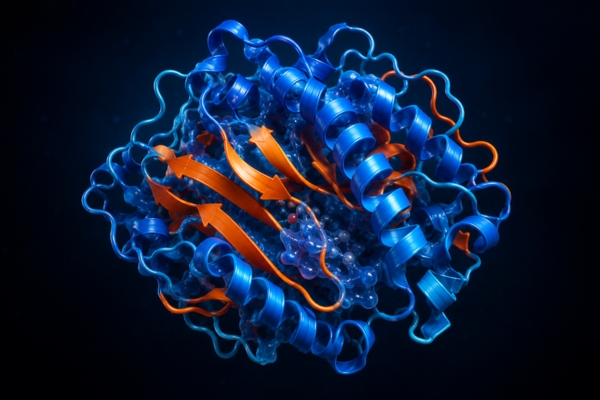
A protein is a long chain of amino acids, generally more than 50 and sometimes several thousand. Unlike peptides, proteins fold into precise, stable shapes. Scientists describe this folding in four levels: the primary structure (the amino acid sequence), the secondary structure (local patterns such as helices and sheets), the tertiary structure (the full three dimensional shape), and the quaternary structure (several chains working together as one unit).
Shape is everything for a protein. The exact fold determines what the protein can bind to and what job it performs. If a protein loses its shape, a process called denaturation, it usually stops working.
Familiar examples of proteins include:
- Hemoglobin, which carries oxygen in red blood cells
- Collagen, the main structural protein in skin, bones, and connective tissue
- Enzymes such as amylase, which digest food
- Antibodies, which help the immune system recognize threats
Peptides vs Proteins: The Main Differences
The clearest way to understand peptides vs proteins is to compare them side by side.
- Size: Peptides contain 2 to 50 amino acids. Proteins contain more than 50, often hundreds or thousands.
- Structure: Peptides are mostly linear or loosely coiled. Proteins fold into complex, stable three dimensional shapes.
- Function: Peptides mainly act as signals, hormones, and regulators. Proteins perform structural, enzymatic, transport, and defensive roles.
- Stability: Peptides break down quickly in the body and are easily digested. Proteins are more stable but need to be broken down before absorption.
- Absorption: Small peptides can pass through the gut lining directly. Whole proteins must first be digested into peptides and free amino acids.
In short, the difference between peptides and proteins comes down to length and complexity. A peptide is a short message; a protein is a complete machine.
How the Body Makes Peptides and Proteins
Both peptides and proteins are produced by ribosomes, the cell’s protein factories, which link amino acids together in the order set by genetic instructions. Many peptides are actually created as part of a larger precursor protein. Enzymes then cut that precursor into smaller active peptides. Insulin, for example, is made as a longer chain called proinsulin and is trimmed into its final form before release.
Peptides also form when proteins are broken down. During digestion, enzymes in the stomach and small intestine cut dietary proteins into shorter and shorter chains. This is why protein rich foods such as eggs, fish, dairy, and legumes are a natural source of peptides once they are digested.
What Peptides Do in the Body
Peptides are the body’s messengers. Their small size lets them bind to receptors on cell surfaces and trigger specific responses. Key peptide functions include:
- Hormone signaling: Peptide hormones such as GLP-1, ghrelin, and oxytocin control appetite, blood sugar, mood, and reproduction.
- Neurotransmission: Endorphins and enkephalins are peptides that reduce pain and influence mood.
- Immune defense: Antimicrobial peptides on the skin and in mucous membranes kill bacteria and fungi.
- Tissue repair: Certain signaling peptides encourage skin cells to produce more collagen and elastin.
What Proteins Do in the Body
Proteins carry out the heavy lifting. They provide structure, speed up chemical reactions, move molecules, and protect against infection. Major protein functions include:
- Structure: Collagen, keratin, and elastin give strength and flexibility to skin, hair, tendons, and bones.
- Enzymes: Thousands of enzymes control digestion, energy production, and DNA repair.
- Transport: Hemoglobin carries oxygen, and albumin carries hormones and nutrients through the blood.
- Movement: Actin and myosin allow muscles to contract.
- Immunity: Antibodies bind to viruses and bacteria so they can be destroyed.
Peptides vs Proteins in Nutrition
When you eat protein, your body does not absorb it whole. Digestion breaks it into dipeptides, tripeptides, and single amino acids, which are absorbed through special transporters in the small intestine. Research shows that small peptides are often absorbed faster than free amino acids, which is one reason hydrolyzed protein powders and collagen peptide supplements are popular among athletes.
That said, whole protein from food remains the foundation of a healthy diet. Adults generally need about 0.8 grams of protein per kilogram of body weight each day, and active people may need more. Peptide supplements can support specific goals such as skin hydration or joint comfort, but they do not replace the complete amino acid profile that whole protein sources provide.
Peptides vs Proteins in Skincare and Medicine
In skincare, the size difference is decisive. Collagen protein molecules are far too large to pass through the skin barrier, so collagen creams mostly act as surface moisturizers. Peptides are small enough to penetrate the outer layer of skin. Signal peptides such as palmitoyl pentapeptide encourage skin cells to build new collagen, while carrier peptides deliver trace minerals needed for healing.
In medicine, both categories are important. Peptide drugs include insulin, semaglutide and other GLP-1 medications for diabetes and weight management, and oxytocin used during labor. They are easier to manufacture but often have a short half life, so they need frequent dosing. Protein drugs include monoclonal antibodies for cancer and autoimmune disease and enzyme replacement therapies for rare genetic disorders. These are more complex to produce but tend to last longer in the body.
Which Is Better: Peptides or Proteins?
Neither one is better. Peptides and proteins are two sizes of the same molecular family, and each is suited to a different job. Peptides excel at sending fast, precise signals. Proteins excel at building tissue, catalyzing reactions, and providing long lasting function. A healthy body depends on both working together.
Frequently Asked Questions
Are peptides just small proteins?
In a basic sense, yes. Both are chains of amino acids. The difference is length, with peptides under about 50 amino acids and proteins above that, along with the complex folding that only proteins have.
Is collagen a peptide or a protein?
Natural collagen is a large protein. Collagen peptides sold as supplements are collagen that has been broken down into short chains for easier absorption.
Do peptide supplements work better than protein powder?
They serve different purposes. Peptide supplements target specific effects, while protein powder provides the complete amino acids needed for muscle repair and general health.
Can the body turn protein into peptides?
Yes. Digestion and normal cellular processes constantly break proteins down into peptides and amino acids.
Final Thoughts
The peptides vs proteins comparison is really a story about size. Peptides are short amino acid chains that act as fast moving signals, while proteins are long, folded chains that build and run the body. Knowing the difference helps you make sense of nutrition labels, skincare claims, and modern medicine.